Sullivan Points to Entry Problems in Rangers’ Power-Play Struggles
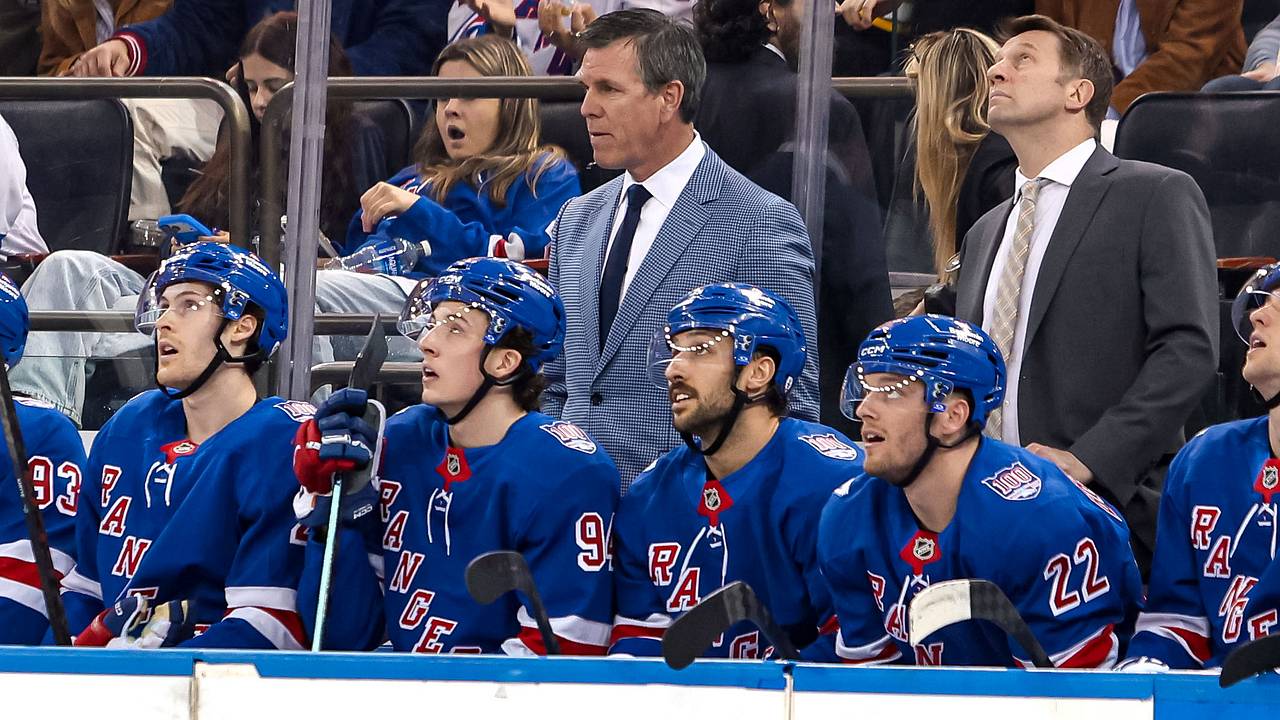
The New York Rangers went 0-for-5 on the power play in a 3-1 loss to the Edmonton Oilers on November 11, 2026. Coach Mike Sullivan said slow entries were a key problem.
New York’s power play failed to score on five chances against Edmonton, while Leon Draisaitl scored short-handed on the Rangers’ final opportunity. The 3-1 defeat came despite the Rangers generating several good chances on their first three power plays; Oilers goalie Devon Levi stopped them. New York did not record a shot attempt on its fourth chance.
Sullivan said the Rangers had some effective stretches but struggled to enter the offensive zone with enough speed. He said Edmonton did well defending the blue line and that New York needed to put the puck behind defenders when there was no room to carry it in.
The performance left the Rangers’ power play operating at 18.87% for the season, 22nd in the NHL. The team had converted 24.65% of its chances the previous season, the league’s fifth-best rate.
Artemi Panarin’s departure in a trade to the Los Angeles Kings has also affected the unit, which had relied on his power-play contributions. Sullivan’s comments point to faster, more effective entries as one possible way to address the problem. The Rangers’ penalty kill, by contrast, was tied for the league’s best at 89.66%, having allowed six goals on 58 opposing power plays.
Next story
Rangers Should Prioritize Long-Term Value in Trade Talks
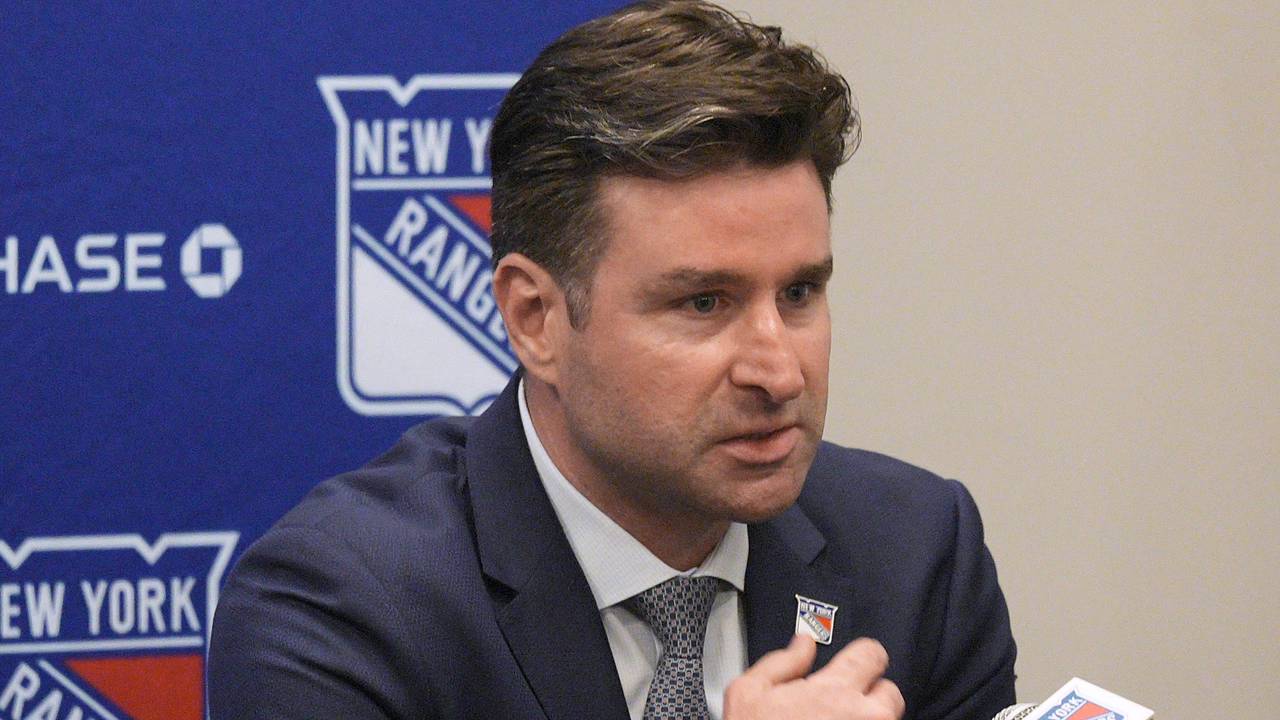
On November 25, the New York Rangers stood 13-9-1 and in the Eastern Conference playoff mix, but a season-ending injury to Igor Shesterkin has made a long-term approach to potential trades especially important.
The Rangers have been competitive through the first quarter of the 2026-27 season despite injuries. If they remain near the playoff picture, general manager Chris Drury is expected to consider additions, but the team’s ability to contend has changed since Shesterkin was ruled out for the season.
Dylan Garand and Joonas Korpisalo have kept New York afloat, but they are not viewed as goalies capable of matching Shesterkin’s ability to carry the team. That limits the Rangers’ ceiling and makes trading assets for rentals—players on expiring contracts the team does not plan to keep—potentially unwise.
New York recently lost forwards Oliver Bjorkstrand and Pavel Dorofeyev, who had seven and six goals, respectively, ranking second and third on the roster. The Rangers have also used some of the salary-cap room created by Shesterkin’s placement on long-term injured reserve to acquire Max Sasson from Vancouver to strengthen their bottom six.
The club previously made major pushes that led to two Eastern Conference final appearances, but surrendered assets along the way. This offseason, it gave up three first-round picks to acquire Dorofeyev and defenseman Marcus Pettersson; each player has several seasons remaining on his deal. Any further additions should likewise emphasize youth and contract length rather than a short-term boost.
New York’s recent losses to Edmonton and Carolina, its only defeats since October 26, also underscore the gap between the Rangers and genuine contenders. If the team buys, the priority should be building sustainably rather than treating this season as a title run.
Read next
- Rangers’ New Fourth Line Makes Promising DebutOn November 25, the New York Rangers’ newly assembled fourth line showed promise against the Carolina Hurricanes, with Max Sasson making his team debut after an acquisition from Vancouver.11 h ago · Sports Illustrated +1
- Hypothetical Matthews Trade Would Cost Rangers Top Prospects and PicksOn November 24, a proposed trade would send Auston Matthews from Toronto to the New York Rangers for Cole Beaudoin, Gabe Perreault and a pair of first-round selections.23 h ago · Sports Illustrated +1
- Rangers Rework Forward Lines Amid InjuriesOn November 24, the New York Rangers tried new combinations among their top forwards at practice as injuries depleted the group, ahead of Wednesday’s road game against Buffalo. · Fetchlens +2