Brewers’ Power Pitching Defined Their World Series Run
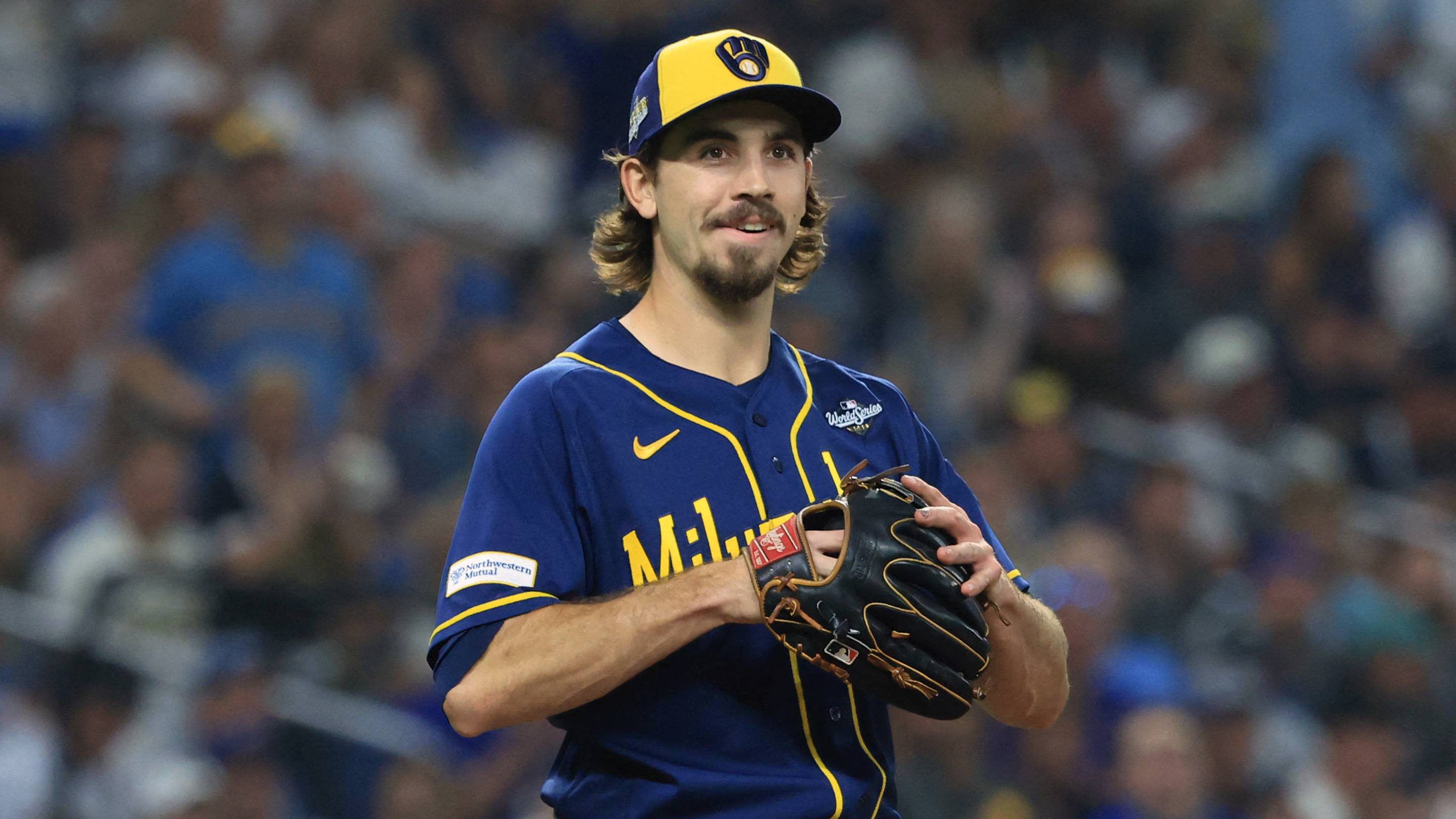
The Milwaukee Brewers beat the Tampa Bay Rays in the 2026 World Series, backed by a high-velocity pitching staff and rookie Robert Gasser’s three road wins. The series concluded before November 3, 2026.
Milwaukee’s pitching was a defining difference in its World Series matchup with Tampa Bay. Brewers fastballs averaged 97.6 mph, compared with 94.5 mph for the Rays, and Milwaukee used breaking pitches more often, with greater average spin. The Brewers also limited opposing hitters to a .243 slugging percentage in the postseason, the lowest recorded in the pitch-tracking era for a team playing more than two games.
The Brewers allowed four home runs across 12 postseason games and none in their three games at Tropicana Field. Their sinkers averaged 96.9 mph and made up 31.2% of their pitches, compared with a 16.6% league average. Hitters batted .208 against those sinkers, which yielded a .248 slugging percentage; Milwaukee gave up no home runs on 569 sinkers.
Gasser, 27, made history as the first rookie to start three road victories for his team in one postseason. He did so at Petco Park, Dodger Stadium and Tropicana Field. To handle pressure, Gasser said he tries to stay relaxed and focus on preparing to pitch rather than imagining possible outcomes. He also described using a stadium landmark to refocus when he feels off track.
After the Brewers’ championship, designated hitter Christian Yelich embraced Hall of Famer Robin Yount. Manager Murphy had named Yelich captain during the season’s closing weekend. Yelich said he wanted Yount in the clubhouse to celebrate, describing the title as something that meant a great deal to him.
Milwaukee also contained Tampa Bay hitter Yandy Diaz, whom the Brewers had identified as a key threat. Diaz went 3-for-20 with one RBI and was hitless in six at-bats against breaking pitches. He also went 0-for-9 when chasing pitches.