Why NFL Teams Go for Two When Trailing by Eight
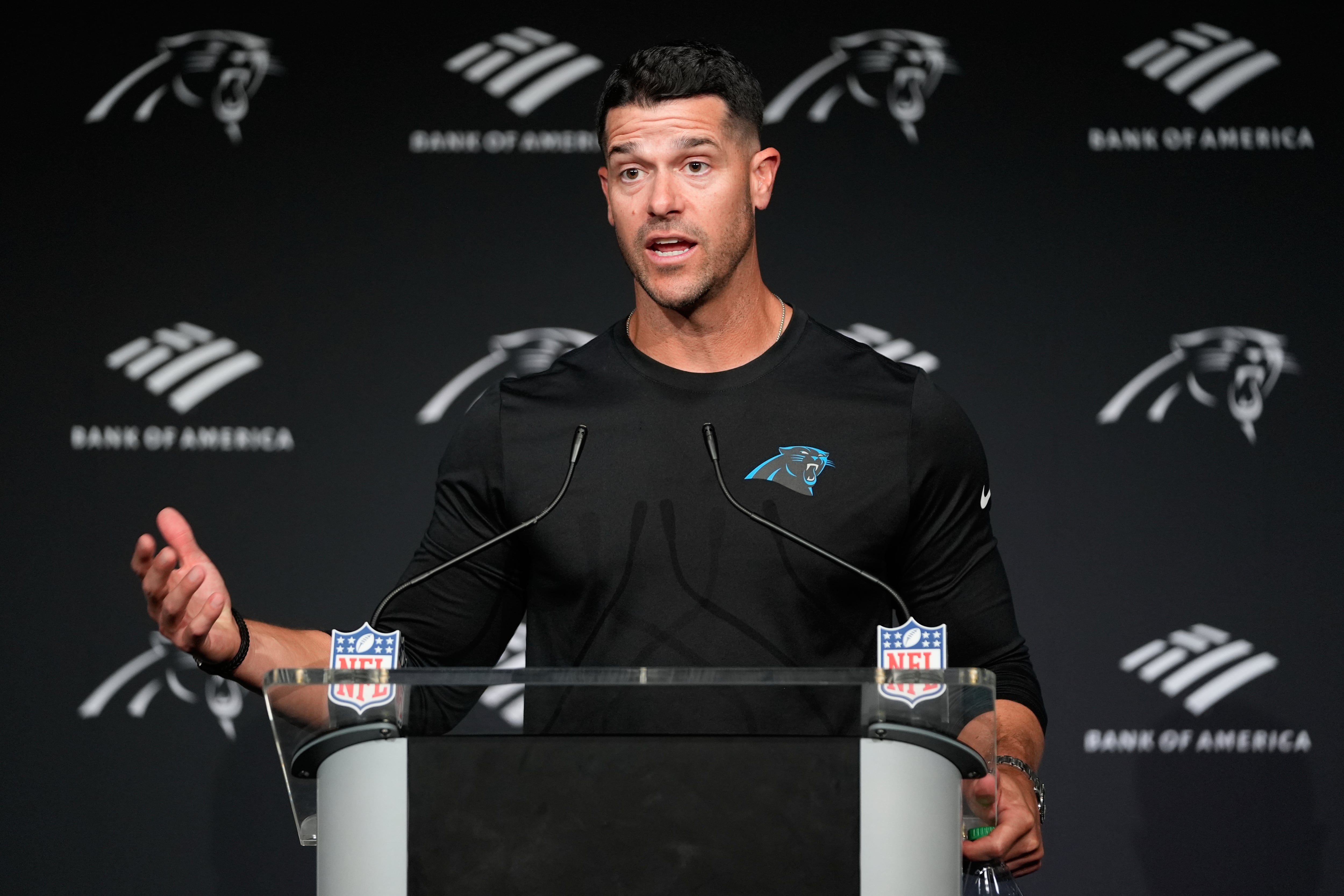
After Carolina’s fourth-quarter touchdown against Green Bay, coach Dave Canales chose a two-point try instead of an extra point. The decision reflects a strategy NFL teams are using more often, despite mixed results.
Published November 4, 2026. When Carolina cut Green Bay’s lead to eight in the fourth quarter, coach Dave Canales went for two rather than kicking an extra point. The Panthers missed and lost by eight, but the choice is part of a growing debate over how to maximize a team’s chance to win late in a game.
After the one-point kick was moved farther back in 2015, NFL teams converted 94.4% of those attempts and 48% of two-point tries. Using those league averages and assuming overtime is a 50-50 proposition, a team that first tries for two has about a 59% chance of winning in the modeled scenario. The calculation does not account for matchup differences or an opponent changing its approach. Carolina, for example, has made two of 11 such attempts in three seasons under Canales.
Since 2023, teams have chosen each option 20 times in the last 10 minutes of regulation. Teams that went for two have won four and lost 16; those kicking the extra point have won three, lost 15 and tied once. The strategy dates to 1994, but its use has grown: teams tried it 26 times in regular-season and playoff games since 2023, including a record nine times in 2025.
Elsewhere, Chicago beat Seattle 34-17 on the road after defeating New England the week before, becoming the seventh team to beat both previous Super Bowl participants in consecutive games. Tampa Bay beat Atlanta 16-0 in the rain despite completing no passes. The Buccaneers rushed for 324 yards and forced four turnovers; it was the first NFL game without a completion in more than half a century.